What is the maintenance schedule for a cone crusher?
A cone crusher maintenance schedule requires daily inspections of the lubrication system, oil temperature, and coast-down time. Weekly tasks include checking the hydraulic system pressure and drive belt tension. Monthly maintenance focuses on inspecting the mantle and bowl liner for wear, and conducting oil sampling to monitor the health of internal bronze bushings.
In secondary and tertiary aggregate crushing circuits, cone crushers are the undisputed heavyweights. They are responsible for taking medium-sized rocks and shaping them into the highly cubical, perfectly sized aggregates required for modern concrete and asphalt production.
However, unlike the relatively simple mechanical brute force of a primary jaw crusher, a modern cone crusher is a piece of high-speed, precision engineering. It relies on complex hydro-pneumatic systems, continuous oil circulation, and intricate internal bronze bushings. Because of this complexity, the margin for error is razor-thin. A missed daily inspection doesn’t just mean a drop in production; it can result in a catastrophic, multi-million rupee failure of the internal shaft and gear assemblies.
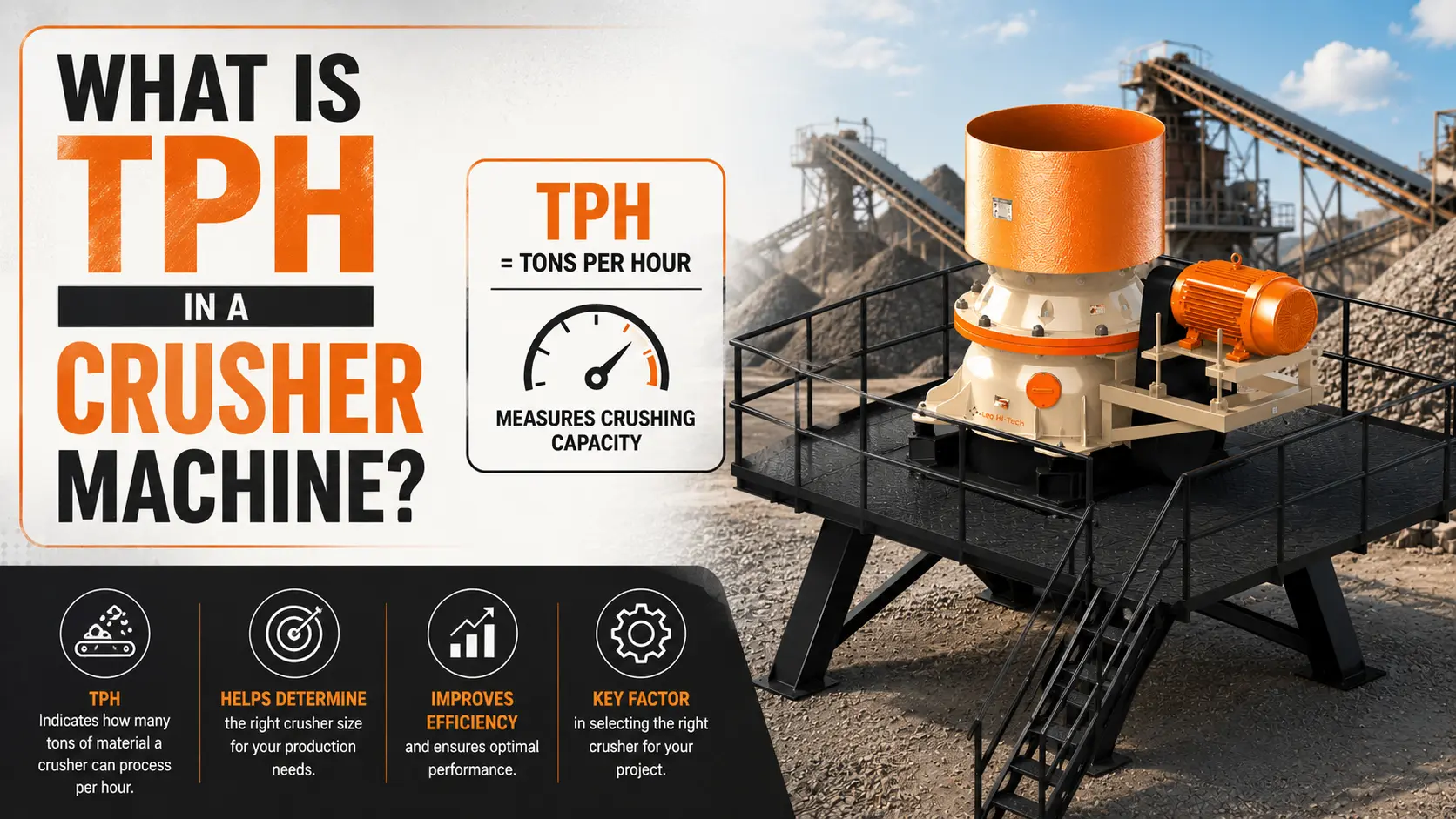
To protect your capital investment and maintain a highly profitable Tons Per Hour (TPH) output, plant managers must enforce a rigorous, non-negotiable maintenance routine.
Why Cone Crushers Demand Strict Lubrication Maintenance
If you have transitioned from operating jaw crushers to cone crushers, the biggest operational shift your maintenance crew must understand is the lubrication system.
Jaw crushers typically utilize heavy-duty roller bearings packed with thick grease. Cone crushers, on the other hand, operate at much higher speeds and generate immense internal friction. To mitigate this, they rely on precision-machined bronze bushings (such as the eccentric bushing, socket liner, and step bearing).
These bronze components do not actually touch the steel shafts during optimal operation. Instead, they ride on a microscopic, highly pressurized film of circulating oil. If that oil flow is interrupted, heavily contaminated with silica dust, or allowed to overheat and lose its viscosity, the oil film collapses. When high-speed steel makes direct contact with bronze under heavy crushing loads, the bronze is destroyed in a matter of minutes, leading to a seized machine and weeks of downtime.
Therefore, nearly all daily cone crusher maintenance revolves around protecting, monitoring, and cooling the lubrication system.
Daily Cone Crusher Maintenance Checklist
Daily maintenance is the first line of defense against equipment failure. These checks must be performed by the plant operator before the feed conveyor is turned on, and continually monitored from the control cabin throughout the shift.
| Inspection Area | Specific Action Required | Why It Matters |
| Lubrication Oil System | Check the oil tank level, flow rate, and return line temperature before and during operation. | Lack of oil flow or high return temperatures (above 60°C) will immediately score the internal bronze bushings. |
| Coast-Down Time | Time exactly how long the crusher takes to spin down to a complete stop after the power is cut. | A sudden decrease in coast-down time is a major warning sign of internal friction, bearing damage, or oil starvation. |
| Hydraulic Relief System | Verify the hydraulic pressure holding the bowl (upper frame) in place is at the factory specification. | If pressure drops, the bowl will lift during crushing, destroying aggregate cubicity, producing oversized rock, and lowering TPH. |
| Visual Feed Inspection | Ensure the raw feed is dropping dead-center into the crushing cavity and the chamber is choke-fed. | Off-center feeding causes highly uneven wear on the mantle and pushes the main shaft out of alignment, overloading the bearings. |
| Oil Filter Delta-P | Monitor the differential pressure gauge across the main oil filters. | A high pressure differential indicates the oil filters are clogged with dirt or metal shavings and need immediate replacement. |
Weekly Cone Crusher Maintenance Checklist
Weekly maintenance requires planned, short-term plant downtime. This is when your mechanical team steps in to assess wear parts, clean critical filtration systems, and ensure power is being transmitted efficiently.
1. Mantle and Bowl Liner Wear Audit
The mantle (the moving inner cone) and the bowl liner (the fixed outer ring) are the two manganese wear parts that do the actual crushing. Over the course of the week, the abrasive rock will wear these liners down.
- Track the Wear: Modern cone crushers require you to rotate the bowl downwards to maintain your target Closed Side Setting (CSS) as the liners wear. Record how far the bowl has been rotated each week. Once the adjustment threads reach their lower limit, the liners must be scheduled for replacement.
- Inspect for Cupping: Look down into the chamber. The liners should maintain a relatively straight crushing profile. If you notice severe “cupping” or a localized groove wearing into the lower half of the chamber, it usually indicates that the machine is not being choke-fed properly.
2. Drive Belt Tension and Alignment
Cone crushers utilize massive electric motors connected to the crusher’s countershaft via a series of heavy-duty V-belts.
- Check the belts for fraying, heat glazing, or cracking.
- Check the tension. Belts that are too loose will slip during surge loads, transferring zero power to the crusher and burning the belts. Belts that are too tight will exert massive radial pull on the countershaft bearings, causing premature failure.
3. Air Breather and Dust Seal Cleaning
The oil reservoir and the internal crusher body breathe as the oil heats and cools.
- Inspect and blow out the air breathers on top of the lubrication tank. If a breather is clogged, the system can create a vacuum, pulling dirty, abrasive quarry air directly past the dust seals and into the clean oil.
- Inspect the overpressure blower (if equipped). Many modern cones use a small fan to pressurize the internal chamber with clean air, preventing dust from settling inside. Ensure this fan’s filter is completely clean.
4. Inspect the Countershaft Housing for Leaks
Walk around the base of the crusher and inspect the countershaft box. Any weeping of oil in this area indicates a failing rotary seal that must be addressed immediately before the oil loss triggers an emergency shutdown.
Monthly and Quarterly Maintenance Tasks
Monthly tasks are highly technical and focus on predictive maintenance—catching microscopic anomalies before they turn into major mechanical failures.
1. Lubrication Oil Analysis
This is arguably the most important monthly task for a cone crusher. Take a sample of the circulating oil while the machine is running (to ensure the oil is agitated and representative) and send it to a certified tribology laboratory.
- What to look for: The lab report will break down the exact parts-per-million (PPM) of various metals. A spike in copper or bronze particulate means your internal bushings are actively failing. A spike in silicon means your dust seals have failed and quarry dirt is acting like liquid sandpaper inside your machine.
2. Accumulator Nitrogen Pressure Check
Most modern cone crushers use a hydro-pneumatic tramp release system. This system consists of hydraulic cylinders attached to accumulators filled with nitrogen gas. It holds the upper frame down tightly during normal crushing but acts as a shock absorber, allowing the frame to jump up safely if an uncrushable object enters the chamber.
- Use a specialized gas gauge to check the nitrogen charge in every accumulator. If the nitrogen gas leaks out, the crusher loses its shock-absorbing capability. A single piece of tramp iron could then bend the main shaft or crack the mainframe.
3. Clean the Air-to-Oil Cooler (Radiator)
Cone crushers generate massive heat, which is transferred into the oil. This hot oil is pumped through a large radiator (air-to-oil cooler) to bring the temperature down before it returns to the crusher.
- In a dusty quarry environment, the delicate aluminum fins of the cooler will quickly become caked in mud and rock dust, insulating the heat rather than dissipating it.
- Use compressed air or a high-pressure washer (carefully, so as not to bend the fins) to completely clean the radiator core. This is especially critical as you transition into the hot summer months.
Top 3 Cone Crusher Troubleshooting Tips
Even the most rigorously maintained plant will experience operational anomalies. Here is how your site engineers can rapidly diagnose the three most common cone crusher faults.
Problem 1: The Crusher is Bouncing (Ring Bounce)
If the upper adjustment ring is violently lifting and slamming back down onto the mainframe, shut the feed off immediately.
- Solution: Ring bounce occurs for three reasons: (1) Your hydraulic accumulator pressure has failed, meaning there is no downward holding force. (2) You have set the CSS too tight, and the machine physically cannot push the rock through the gap. (3) The feed material is packed with uncrushable tramp iron or highly dense, sticky clay that is plugging the discharge.
Problem 2: Return Oil Temperature is Dangerously Hot
If the alarm sounds for high return oil temperature (typically above 60°C to 65°C), the oil film is thinning and bushing failure is imminent.
- Solution: First, ensure the radiator fan is actually spinning and the fins are not blocked by debris. If the cooling system is fine, the heat is being generated by excess internal friction. Check that the raw feed is hitting the dead-center of the mantle. Off-center feeding forces the main shaft to tilt violently against the eccentric bushing, generating massive frictional heat.
Problem 3: The Coast-Down Time has Suddenly Dropped
A healthy cone crusher might take 45 to 60 seconds to completely stop spinning after the motor is turned off. If your machine suddenly stops in 10 or 15 seconds, you have a severe problem.
- Solution: A rapid stop indicates massive internal drag. Do not restart the machine. You must immediately drain the oil and inspect the socket liner, eccentric bushing, and step bearing plates for scoring or seizure. Restarting a machine with a short coast-down time will weld the bronze bushings to the steel shaft.
Frequently Asked Questions
How often should you change the oil in a cone crusher?
Oil should typically be changed every 2,000 operating hours or every 6 months, whichever comes first. However, strictly follow the results of your monthly laboratory oil analysis; if the oil shows high contamination or viscosity breakdown, change it immediately.
What causes a cone crusher to bounce?
Ring bounce occurs when the upward crushing forces exceed the downward hydraulic holding force. This is caused by operating with a Closed Side Setting (CSS) that is too tight, uncrushable tramp iron entering the chamber, or failed nitrogen accumulators.
When should I replace the mantle and bowl liner?
Replace the liners when the hydraulic adjustment threads reach their absolute lower limit, preventing you from maintaining your target CSS. You should also replace them if production throughput severely drops or if the liners exhibit deep, uneven cupping.
What is tramp iron and how does it damage a cone crusher?
Tramp iron refers to uncrushable metal debris, like broken excavator teeth, loader bucket bolts, or reinforcing steel. Because it cannot fracture, it places extreme, catastrophic stress on the crusher’s internal components if the tramp release system fails to open.
What is choke feeding in a cone crusher?
Choke feeding means operating the crusher with a completely full crushing chamber, keeping the raw material buried above the mantle. This maximizes efficiency by promoting rock-on-rock crushing, improves aggregate cubicity, and ensures even liner wear.