When it comes to breaking down massive, solid rock into manageable pieces, brute force is the only language the material understands. Enter the jaw crusher machine, the undisputed workhorse of the crushing world. Serving as the critical first step in material reduction, these heavy-duty machines set the pace for entire production lines. Whether you are setting up a new quarry or looking to upgrade your recycling plant, understanding how this primary crusher operates is essential.
Here is everything you need to know about jaw crushers, from how they work to choosing the right one for your operation.
What is a Jaw Crusher Machine?
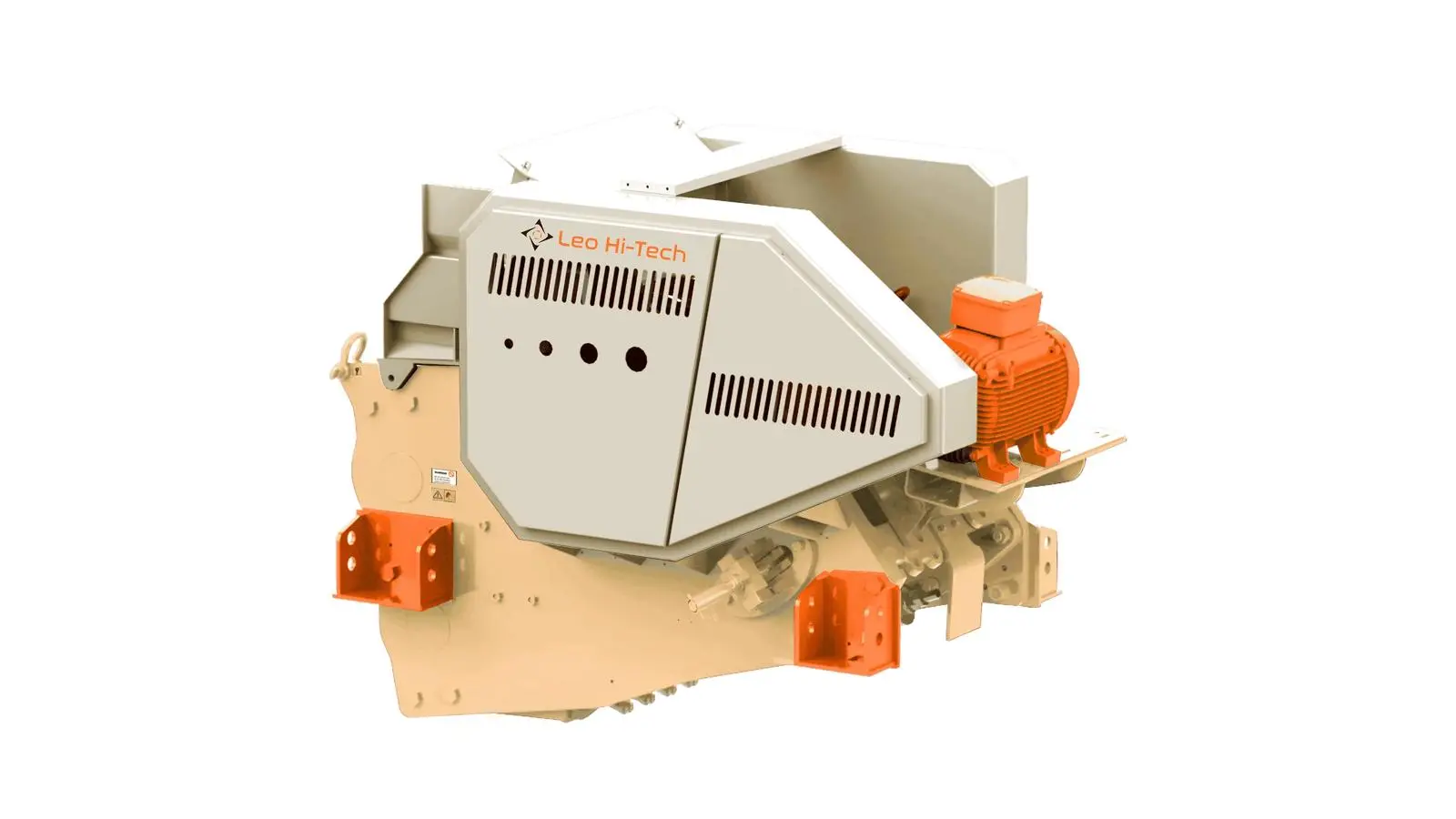
A jaw crusher is a heavy-duty mechanical device that uses compressive force to break large rocks, ores, and other tough materials into smaller, more manageable sizes. It acts as a “primary crusher,” meaning it is usually the first machine to tackle the raw material straight from the blast site or demolition zone.
Because of their immense power and durability, jaw crushers are relied upon across a wide range of demanding industries, including:
- Mining and Quarrying
- Metallurgy
- Construction
- Highway and Railway Building
- Demolition and Recycling
How Does a Jaw Crusher Work?
While they are incredibly powerful, the operating principle behind a jaw crusher is actually quite simple. It all comes down to leverage and compression.
-
The V-Shaped Cavity:
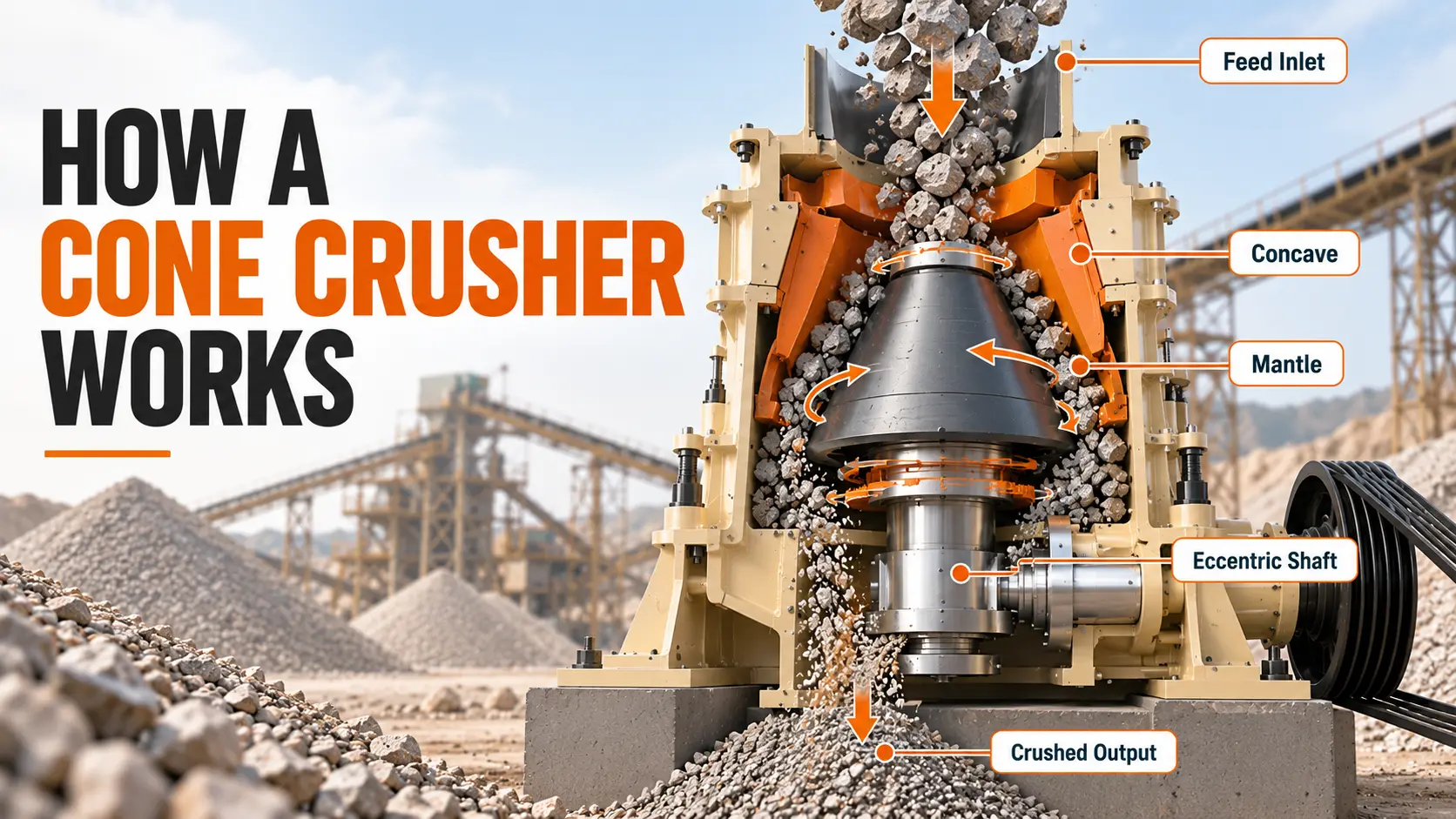
The crushing happens inside a V-shaped chamber formed by two massive, corrugated metal plates (called jaws). The opening at the top is wide to accept large rocks, and it narrows down to a smaller gap at the bottom.
-
The Action
The machine crushes material through compression. One jaw plate is completely stationary (the fixed jaw), acting as a solid wall. The other plate (the movable jaw) swings in an elliptical motion rather than a simple back-and-forth movement.
-
The Mechanism
This swinging motion is driven by an eccentric shaft. As the shaft rotates, it pushes the movable jaw toward the fixed jaw, squeezing and fracturing the rock trapped between them. As the jaw swings back, the broken pieces fall further down the V-shaped cavity until they are small enough to drop through the bottom discharge opening.
Types of Jaw Crushers
While the basic mechanics remain the same, jaw crushers generally fall into two main categories based on how the moving jaw is driven:
Single-Toggle Jaw Crusher
This is the most common type of jaw crusher used today. In a single-toggle setup, the eccentric shaft is located at the very top of the movable jaw. As the shaft rotates, the jaw moves in an elliptical motion pushing both down and forward. This design is highly efficient, lighter in weight, and generally offers a higher processing capacity.
Double-Toggle Jaw Crusher
Built for the most abrasive and difficult materials, the double-toggle crusher operates differently. The movable jaw swings from a pivot at the top and is driven by a separate eccentric shaft and two toggle plates at the bottom. This creates a swinging motion similar to a pendulum, delivering pure compressive force without any rubbing action. While heavier and more complex, they experience significantly less wear on the jaw plates when crushing extremely hard rock.
Key Components
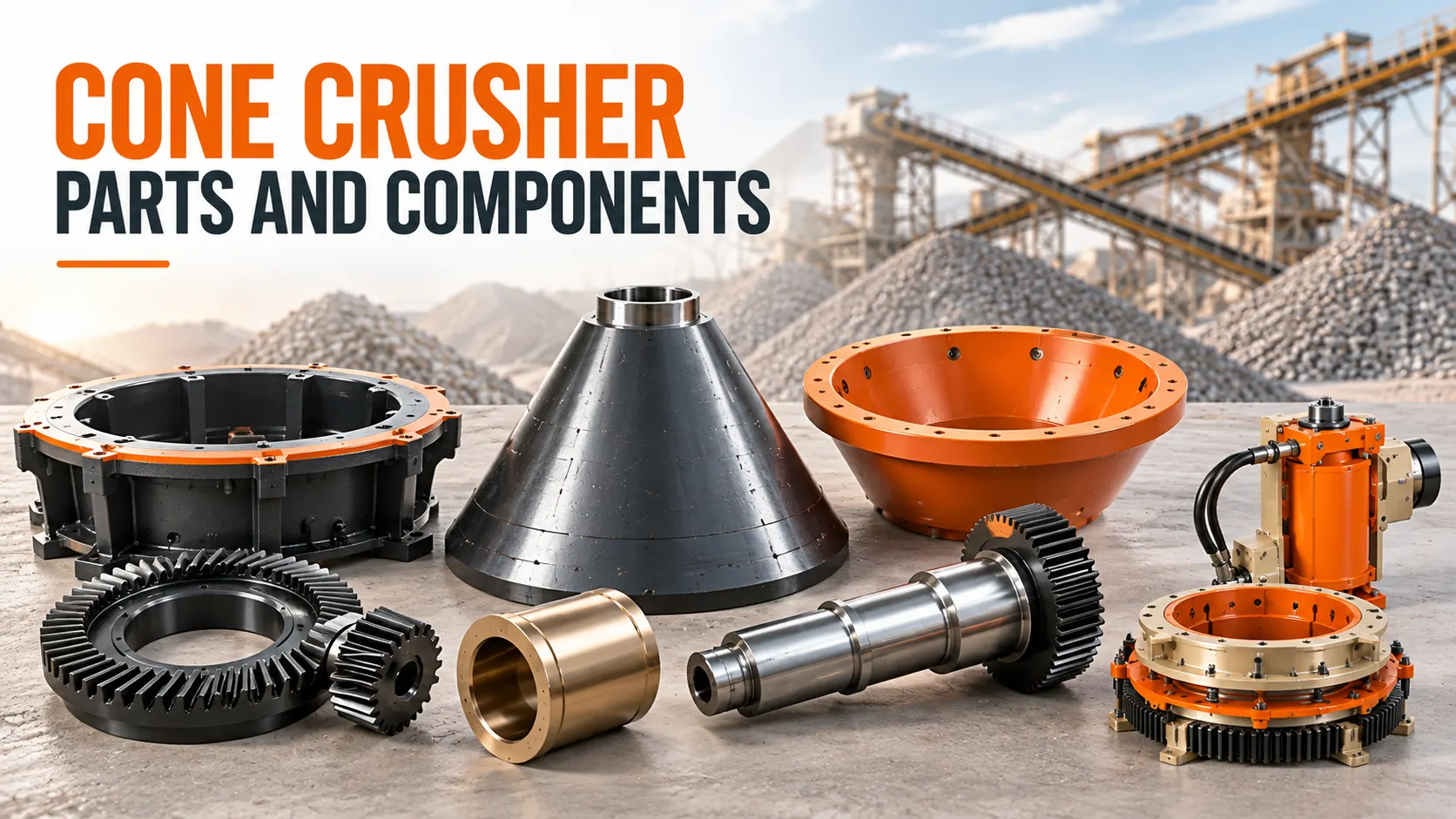
A jaw crusher is built to take a beating. To withstand constant high-impact forces, it relies on several heavy-duty components:
-
Frame
The main body of the crusher, usually made from cast iron or heavy steel plates, which houses all the internal parts.
-
Jaw Plates (Dies)
The corrugated, highly wear-resistant plates (typically made of manganese steel) that make physical contact with the rock.
-
Eccentric Shaft
The heavy-duty rotating shaft that generates the mechanical force and swinging motion of the moving jaw.
-
Pitman
The main moving assembly that holds the movable jaw plate and hangs from the eccentric shaft.
-
Toggle Plate
A clever safety mechanism. If a piece of uncrushable material (like tramp iron or an excavator tooth) enters the chamber, the toggle plate is designed to break, protecting the more expensive internal components from catastrophic failure.
-
Flywheels
Massive weighted wheels on either end of the eccentric shaft. They store kinetic energy and maintain a smooth, steady crushing rhythm even when the machine hits a particularly tough rock.
Applications
Because of their raw power and simple design, jaw crushers are versatile enough to be used in various heavy industries:
-
Mining & Quarrying
Breaking down massive, blasted blocks of granite, basalt, limestone, and metallic ores into transportable sizes.
-
Construction & Demolition
Crushing old concrete rubble, chunks of asphalt, and bricks so they can be recycled into reusable aggregate.
-
Industrial
Processing tough industrial byproducts, like metallurgical slag, for further refining.
Advantages
Why are jaw crushers the go-to choice for primary crushing?
-
Moderate to High Crushing Ratio(3:1 to 6:1)
They can take massively oversized boulders and reduce them to a fraction of their original size in a single pass.
-
Reliable Performance
The relatively simple mechanical design with fewer moving parts translates to high uptime and extreme durability.
-
Versatility
They can handle most hard and abrasive materials.
-
Easy Maintenance
The primary wear parts (the jaw plates) are highly accessible and straightforward to replace, keeping maintenance downtime to a minimum.
Conclusion
A jaw crusher is the beating heart of any primary crushing circuit. Without it, downstream operations like secondary crushing, screening, and processing would grind to a halt. When choosing the right jaw crusher for your operation, it is crucial to consider your maximum feed size, your required discharge size, and your overall production capacity needs. Investing in the right machine ensures your entire plant runs efficiently from the very first rock.
FAQs
What is the difference between a jaw crusher and a cone crusher?
A jaw crusher is almost always used for primary crushing, taking large, raw rocks and breaking them down. A cone crusher is typically used for secondary or tertiary crushing, taking the output from the jaw crusher and breaking it down into even finer, more uniform pieces.
How do you adjust the output size of a jaw crusher?
You can change the size of the crushed rock by adjusting the gap at the bottom of the V-shaped cavity. This gap is known as the Closed Side Setting (CSS). Narrowing the CSS produces smaller rocks, while widening it increases the size and overall production volume.
What are the common wear parts that need replacing?
The parts that see the most friction will wear out fastest. This includes the fixed and movable jaw plates (dies), the cheek plates (the side liners of the crushing cavity), and the toggle plate.
Can a jaw crusher handle wet or sticky materials?
Yes, jaw crushers are generally better at handling wet or slightly sticky materials compared to other types of crushers (like impact crushers). However, if the material contains a high percentage of extremely sticky clay, it can eventually pack into the cavity and cause blockages.